
Home
Welcome to the Victorian Age
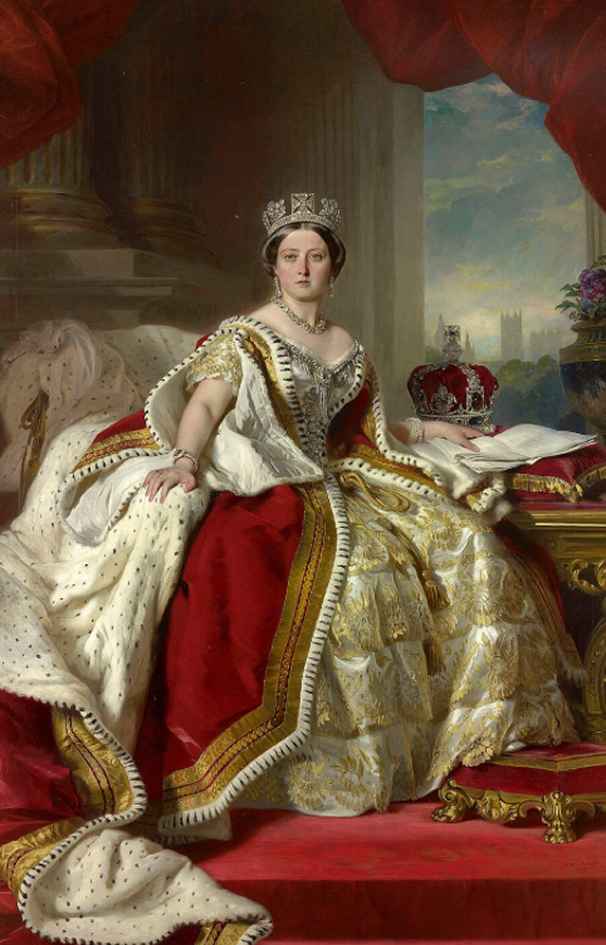
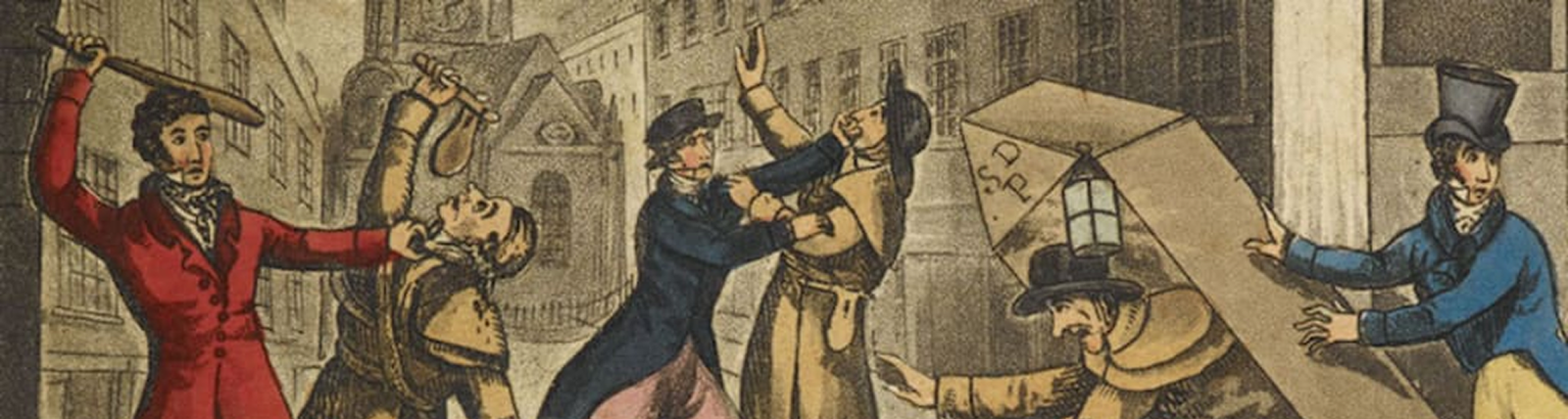
This is the time capsule of the 1800’s. The Victorian time period is officially known as the Victorian Era or the Victorian Age, named after Queen Victoria, who reigned over the United Kingdom and the British Empire from June 20, 1837, until her death on January 22, 1901. In the strictest sense, the Victorian era covers the duration of Victoria's reign as Queen of the United Kingdom of Great Britain and Ireland, from her accession on 20 June 1837—after the death of her uncle, William IV—until her death on 22 January 1901, after which she was succeeded by her eldest son, Edward VII. Her reign lasted 63 years and seven months, longer than any of her predecessors. The term "Victorian" was in contemporaneous usage to describe the era. The era can also be understood in a more extensive sense—the "long Victorian era"—as a period that possessed sensibilities and characteristics distinct from the periods adjacent to it, in which case it is sometimes dated to begin before Victoria's accession—typically from the passage of or agitation for (during the 1830s) the Reform Act 1832, which introduced a wide-ranging change to the electoral system of England and Wales. Definitions that purport a distinct sensibility or politics to the era have also created skepticism about the worth of the label "Victorian", though there have also been defenses of it.