
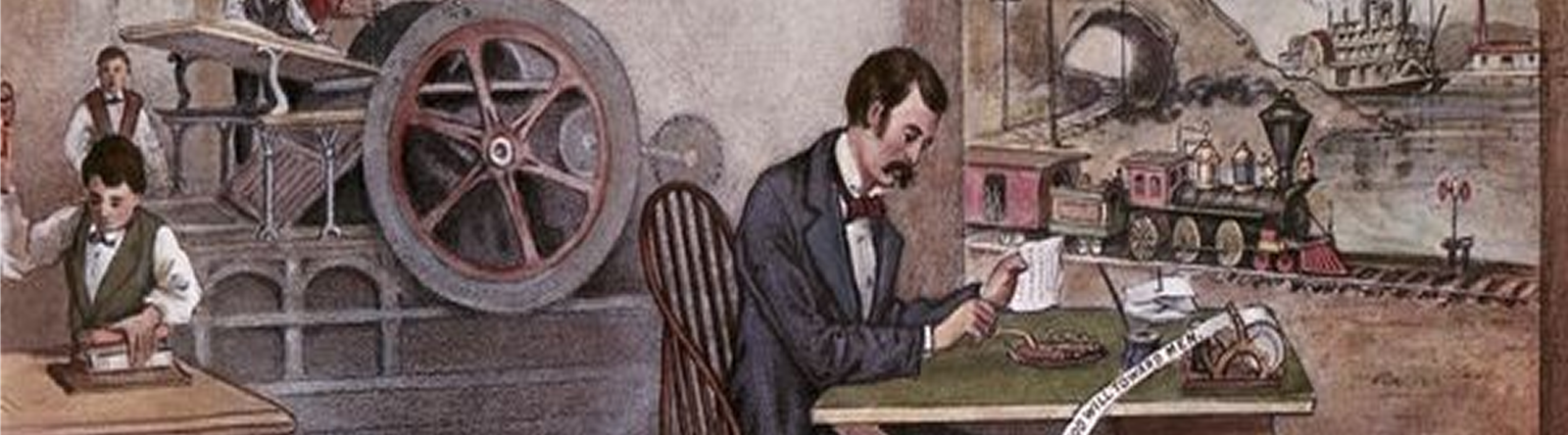
Technology
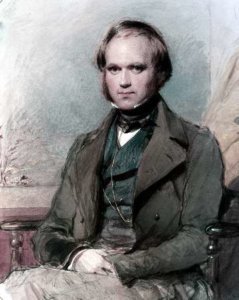
EVOLUTION
When Charles Darwin published his ground-breaking book 'On the Origin of Species' in 1859 while living at Down House in Kent, he caused a sensation. As a respected scientist (Darwin spent eight years reclassifying the entire barnacle sub-class to prove his credentials as a zoologist) his theories had to be taken seriously. But in the predominantly Christian Victorian England, his theories were highly controversial. Evolution directly contradicted the creation story in the Bible, and many were outraged.
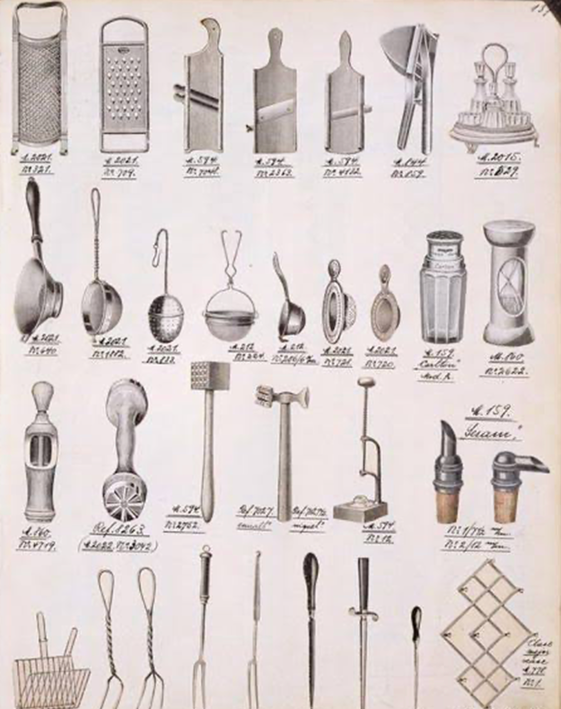
KITCHEN GADGETS
Agnes Bertha Marshall was a pioneering cookery writer and entrepreneur whose specialism was ice-cream. Although this wasn't originally a Victorian recipe, Marshall made her name by improving the techniques used for making and serving it.
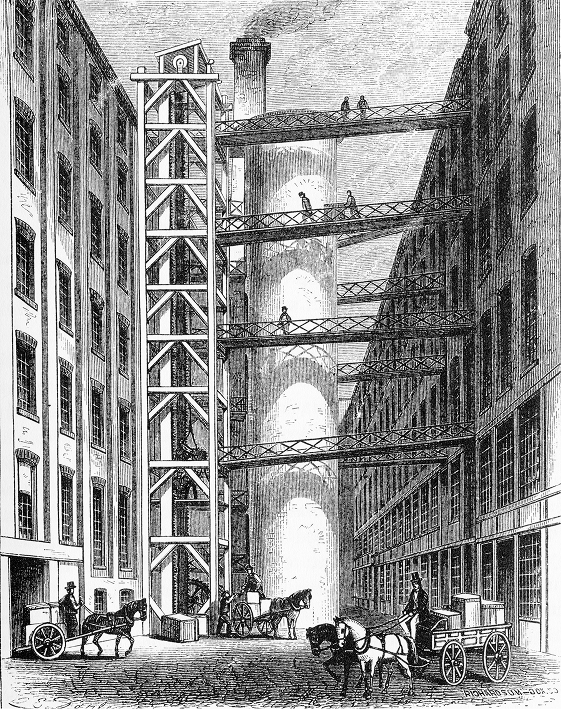
INDUSTRIALISATION
The Industrial Revolution began long before Queen Victoria came to the throne in 1838. Nevertheless, industrial ingenuity reached new heights in Victorian England, and this had huge economic and social consequences.
Factories needed vast numbers of people to work in them, and there was a huge shift as people moved from the countryside to urban areas. In 1751, around a quarter of people lived in towns and cities. By 1851, they were home to around half of the population.
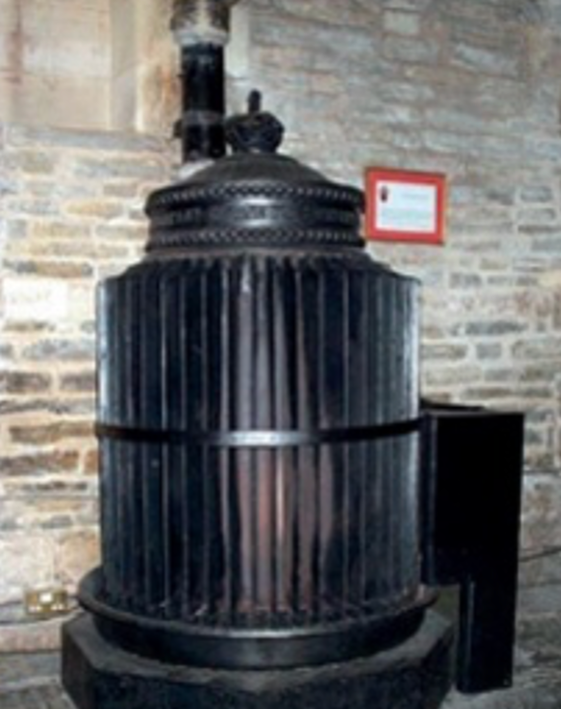
CENTRAL HEATING
Although the Romans were the first to introduce central heating to Britain, we can thank the Victorians for the introduction of more modern systems that we recognize today. At Audley End House, a coal fired 'cockle stove' was installed in the basement in 1823, just 13 years after this technology was invented by William Strutt for heating his textile factories.
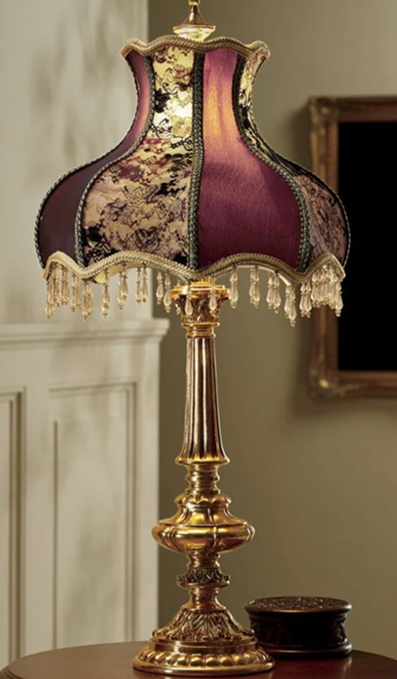
ELECTRIC LIGHTING
Queen Victoria described her summer home Osborne in glowing terms, writing: 'It is impossible to imagine a prettier spot!' But it wasn’t just beautiful – she and Prince Albert made sure it was equipped with as many mod-cons as they could install.
Victoria was an early adopter of electricity, including at Osborne. Electric lighting can be seen in the Durbar Room and the Drawing Room. Originally early light bulbs from the Swan and Edison company were used, and we have a good selection in the collection at Osborne. Outside, the lighting was originally gas.